

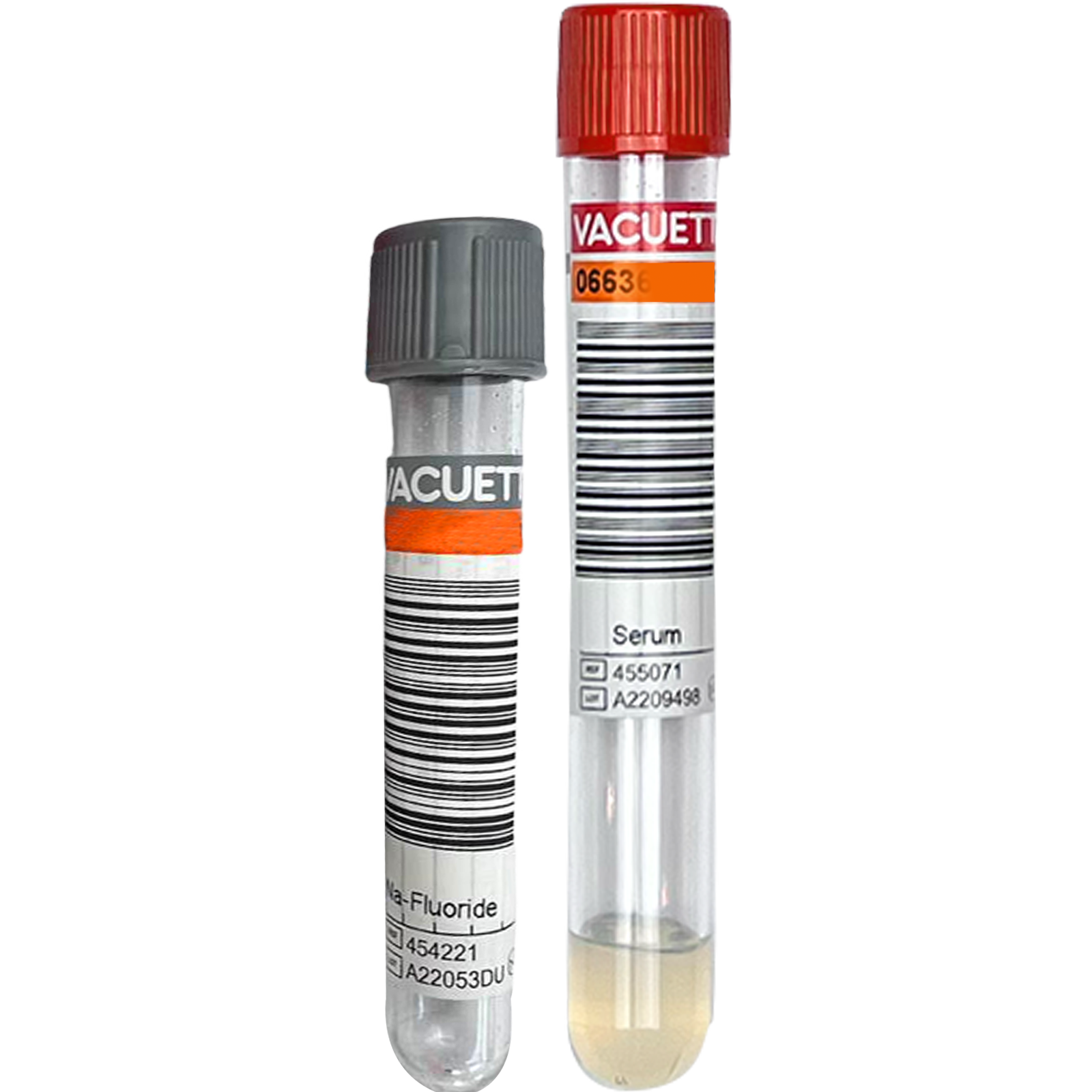
Homocysteine
Important: Pilot program for refrigerated shipping
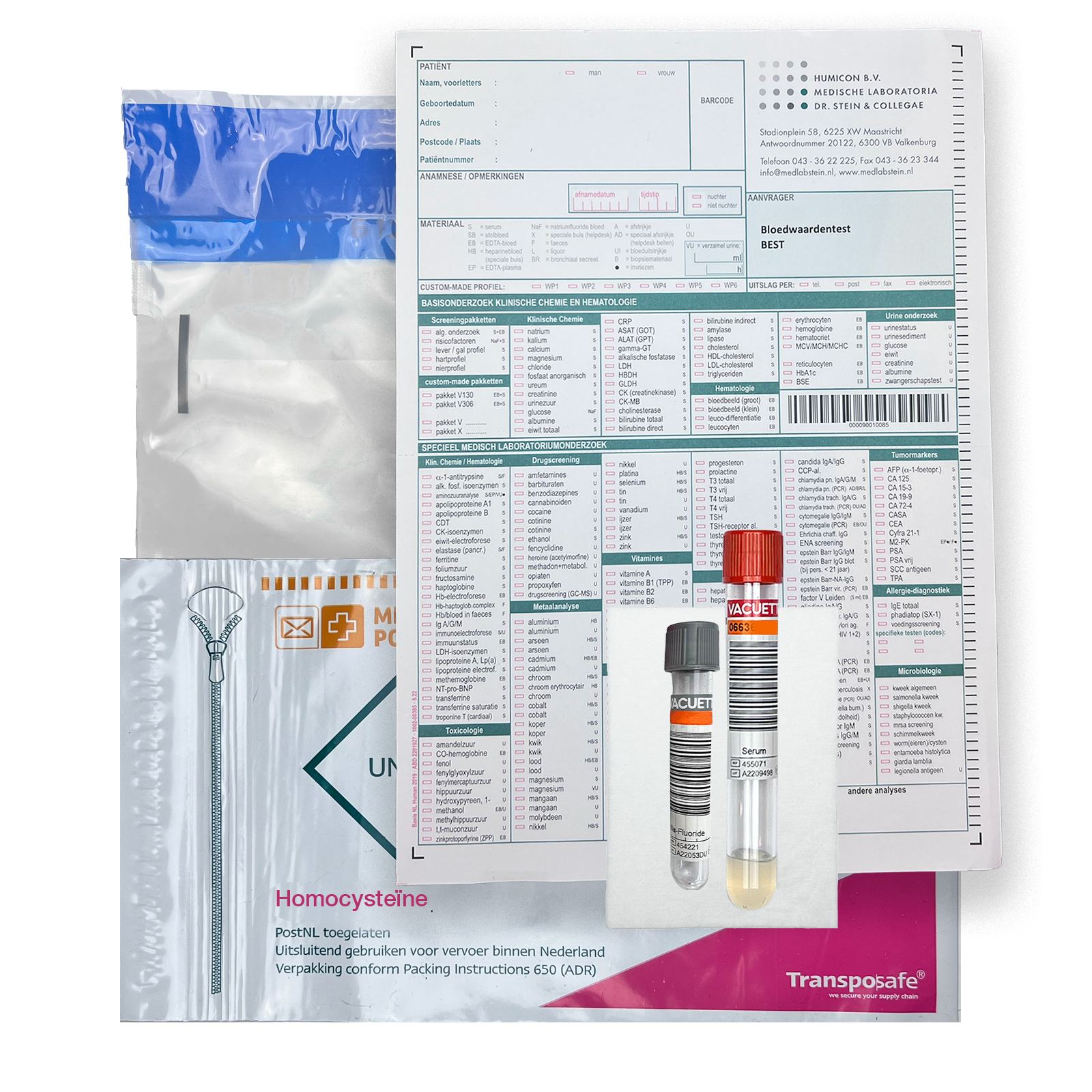
For homocysteine, the conditions surrounding blood collection and transport are important. To further increase the reliability of the measurement, we have launched a pilot program in which the blood sample for homocysteine is shipped to the laboratory in a refrigerated state.
You will receive a special shipping kit with cooling materials and separate shipping instructions.
Did you order other blood tests in addition to the homocysteine test? If so, you may receive two separate packages. The homocysteine sample is shipped using a special refrigerated shipping procedure. The other blood tests are processed and shipped in the usual manner.
Therefore, please read the enclosed instructions carefully before having your blood drawn and sending the sample. It is important that the homocysteine sample be stored and shipped according to these instructions.
This blood test measures the homocysteine level in the blood. Homocysteine is an amino acid produced naturally by the body during the metabolism of methionine. Elevated homocysteine levels may be associated with, among other things, a deficiency in vitamin B12, folic acid (vitamin B11), vitamin B6, or vitamin B2. Genetic factors, age, lifestyle, and certain medical conditions or medications can also play a role.
Elevated homocysteine levels are also associated with an increased risk of cardiovascular disease. The results should therefore always be evaluated in conjunction with other risk factors and relevant blood test results.
Preparing for the blood draw
For this test, you must fast for 12 hours. In addition, always follow the instructions in the special homocysteine kit regarding the cooling, storage, and shipping of the blood sample.
What can cause elevated homocysteine levels?
Elevated homocysteine levels can have various causes, including:
- a deficiency in folic acid (vitamin B11), vitamin B12, vitamin B6, and/or vitamin B2;
- genetic variants that affect homocysteine metabolism;
- impaired kidney function;
- certain medications;
- smoking and other lifestyle factors;
- advancing age.
Homocysteine levels alone do not indicate the exact cause of an elevated level. Additional testing may therefore be useful.
What additional tests might be useful?
To better interpret an elevated homocysteine level, tests for vitamin B12, folic acid (vitamin B11), and vitamin B6, among others, can be performed.
If a vitamin B12 deficiency is suspected, the following tests may also be useful:
- Active Vitamin B12 (Holo-TC) – provides insight into the biologically available amount of vitamin B12.
- Methylmalonic acid (MMA) – can provide additional information about a possible functional vitamin B12 deficiency.
- MTHFR DNA testing – can provide insight into genetic variants involved in folate and homocysteine metabolism.
Homocysteine and Vitamin B12
Elevated homocysteine levels may be associated with a functional vitamin B12 deficiency, even when total vitamin B12 levels are still within the reference range. However, an elevated level is not specific to a B12 deficiency. For example, a deficiency in folic acid or vitamin B6, as well as impaired kidney function, can also raise homocysteine levels.
That is why it is wise to always evaluate homocysteine results in conjunction with other relevant values.